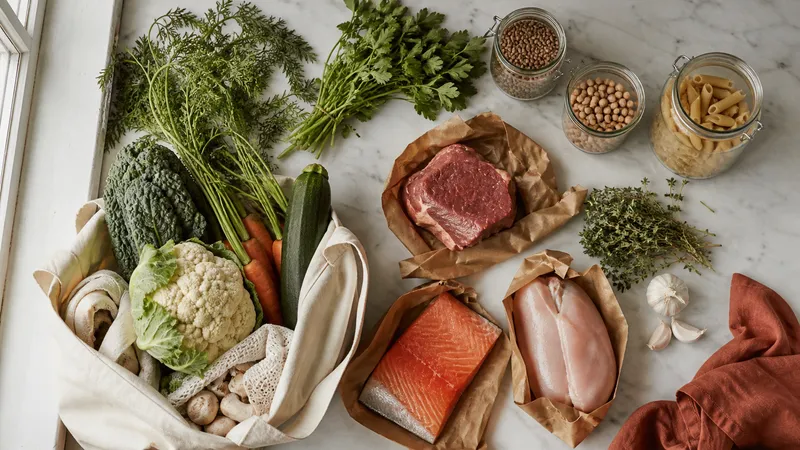
Manufacturers don’t know what’s in your fridge
That date on the packet was set in a lab, under controlled storage conditions, months before the product reached you. It has no idea how cold your fridge actually runs, whether the packaging was intact when you got it home, or how long it sat open before you used half and put it back. Most food is safe to eat well past its printed date, because most of that date is about quality, not safety.
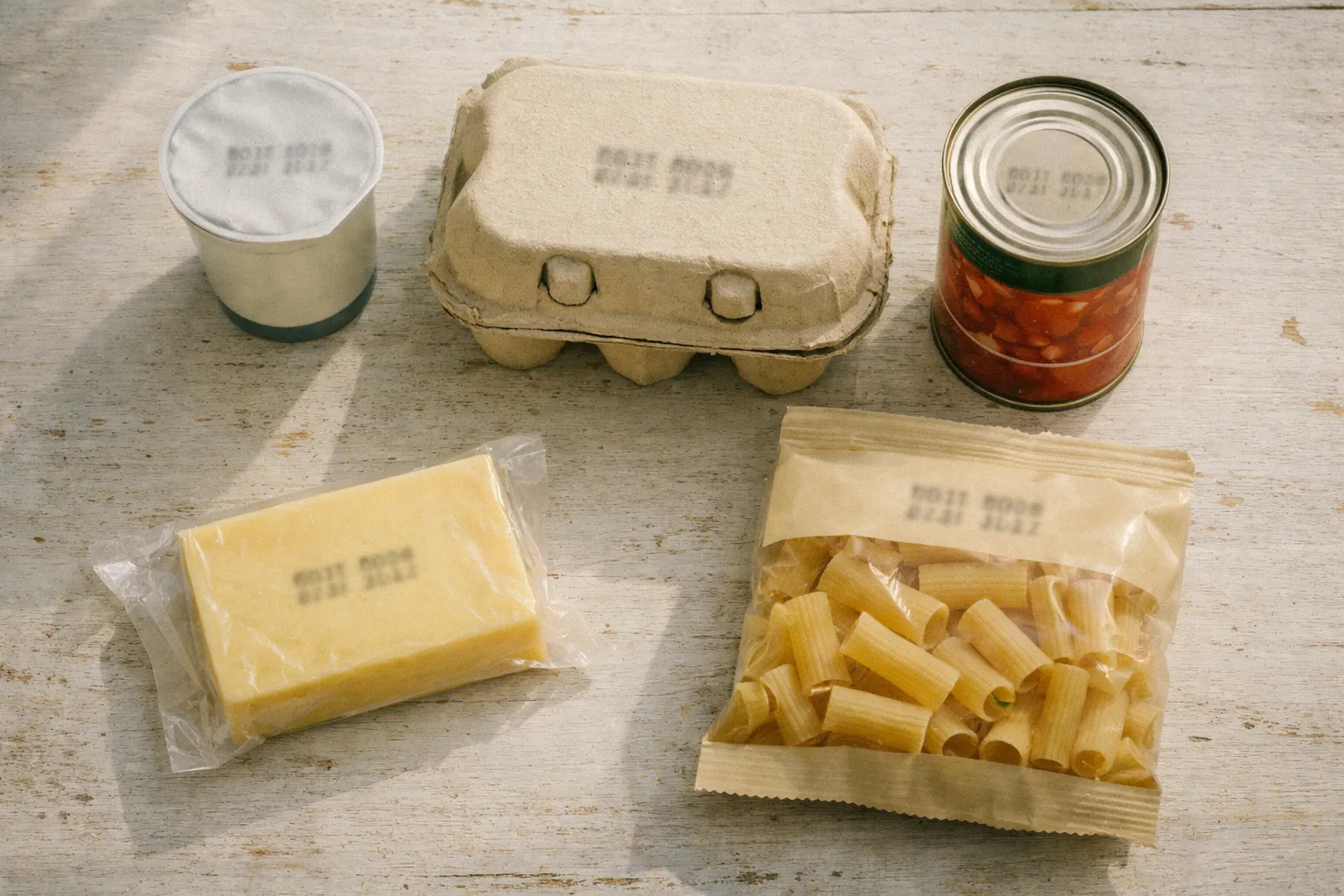
Best before vs use by: they are not the same thing
This is the distinction that most people miss, and it genuinely matters. “Best before” is a quality marker. It’s telling you when the product is at its peak, not when it becomes dangerous. Dried pasta, tinned goods, biscuits, frozen food; all carry best-before dates, and almost all are perfectly fine for weeks or months beyond. “Use by” is a safety marker, and it applies mainly to fresh meat, fish, and dairy. That’s the one to take seriously. The frustrating thing is that both phrases are printed in the same small font on the same label, as if they mean the same thing. They don’t.
Your nose is more reliable than a timestamp
Smell it. Look at it. If something has gone off, your senses will tell you before the date on the packaging would have. Milk that’s sour smells sour; you don’t need a carton to confirm it. Leftovers that smell fine after four days in the fridge are fine to eat. Bread with visible mould should go in the bin (and don’t just pick the mould off, because spores spread further than you can see). The things that actually cause serious food poisoning are odourless and invisible, which is exactly why the use-by date on raw meat exists and is worth respecting. But food that smells or tastes wrong? Your body will reject it long before you’ve eaten enough to do damage.
The foods most often thrown away for no reason
Eggs last three to five weeks past the printed date if refrigerated. Test by dropping one in a glass of water; a fresh egg sinks flat, a bad one floats. Hard cheeses like cheddar can develop surface mould that you simply cut away with a generous margin and carry on. Yoghurt, especially unopened, routinely lasts one to two weeks past its best-before with no change in taste. Condiments like mustard, hot sauce, and vinegar-based dressings have shelf lives measured in years once opened. None of this requires bravery. It just requires paying attention.
Where dates actually earn their keep
Raw meat, fish, and ready-to-eat foods that won’t be cooked (smoked salmon, pre-washed salad, soft cheeses) are the genuine exceptions. These use-by dates exist because bacterial growth in protein-rich, moist environments can make you seriously ill without any obvious warning signs. This is where the date was earned, and it’s worth respecting in these categories. Give yourself much more latitude everywhere else.
The real cost of following dates blindly
The average UK household throws away roughly £730 of food a year. A significant chunk of that is discarded on date alone, not because it was spoiled, but because a number on the packet said so. Every time you tip a pot of yoghurt down the sink because the date passed two days ago, you’re not being food-safe. You’re just wasting money. The date is a reference point, not an instruction.
Trust the food, not the label.